
RIMES Marks SLMC Project Closure and Strengthens Local Ownership of Disaster Preparedness in Melamchi, Nepal

On 29 October 2026, the Regional Integrated Multi-Hazard Early Warning System (RIMES), in collaboration with Melamchi Municipality, organized the Strengthening Last-Mile Communication (SLMC) Project Handover and Closure Event at the Melamchi Municipality Office, Sindhupalchok, Nepal. The event marked the formal closure of SLMC Project activities in Nepal, implemented with support from the University Corporation for Atmospheric Research (UCAR), while reinforcing municipal ownership and the sustainability of project-supported systems, equipment, and capacities.
The event brought together 50 participants, including the Mayor and Deputy Mayor of Melamchi Municipality, municipal officials, Local Disaster Management Committee members, ward representatives, Nepal Red Cross Society representatives, community stakeholders, and the RIMES project team. The programme provided an opportunity to review the project’s contributions to disaster risk reduction (DRR), early warning communication, local preparedness, and emergency response; formally hand over disaster preparedness materials and equipment; and discuss arrangements for sustaining the project’s benefits beyond its completion.

Strengthening Local Disaster Preparedness and Early Warning Systems
Melamchi Municipality remains vulnerable to multiple natural hazards, including floods, landslides, earthquakes, and extreme weather events. The devastating Melamchi flood of 2021 highlighted the importance of strengthening local preparedness, ensuring timely access to early warning information, improving risk communication, and coordinating emergency response.
Through the SLMC Project, RIMES collaborated with Melamchi Municipality to strengthen local disaster risk management capacities and improve the connection between early warning information and practical preparedness measures. Project activities included capacity development for municipal officials and stakeholders, hazard and risk information assessments, improvements to local early warning communication mechanisms, and the development and application of decision-support tools. These initiatives aimed to enhance the Municipality’s ability to access, interpret, and utilize hazard and early warning information for disaster risk-informed decision-making and emergency preparedness.

Reviewing Project Achievements and Strengthening Institutional Collaboration
During the event, RIMES presented an overview of the SLMC Project, highlighting its objectives, implementation activities, and contributions to strengthening disaster preparedness and early warning communication in Melamchi Municipality. The presentation covered progress in multi-hazard risk information, institutional capacity development, decision-support systems, and mechanisms for communicating early warning information to communities.
Ms. Sabuna Gamal, DRR Focal Person of Melamchi Municipality, briefed participants on the local disaster situation and the continuing importance of strengthening preparedness and response mechanisms. The Mayor of Melamchi Municipality, Mr. Aaita Man Tamang, reflected on the Municipality’s collaboration with RIMES and emphasized the importance of sustaining the systems, tools, and capacities developed through the project. Discussions also addressed current disaster preparedness challenges, institutional coordination, and opportunities to build upon project-supported activities.

Formal Handover of Disaster Preparedness Materials and Equipment
A key milestone of the event was the formal handover of disaster risk reduction materials and an LED screen to Melamchi Municipality. These materials and equipment were provided in response to the Municipality’s identified requirements to strengthen local preparedness, emergency response, and risk communication capacities.
RIMES and authorized municipal representatives jointly verified the handed-over items, including their quantities, specifications, and condition. The handover was formally documented through an agreed verification and receipt process. The LED screen and other materials are intended to support the Municipality’s ongoing disaster preparedness and communication activities, including the dissemination of relevant early warning and risk information. This handover marked an important step in transferring responsibility for project-supported resources to the Municipality and reinforcing their continued institutional use.

Sustaining Project Achievements and Strengthening Last-Mile Communication
The event provided a platform for discussing the sustainability of SLMC-supported interventions beyond the project’s closure. Participants emphasized the importance of establishing clear responsibilities for the custody, operation, and maintenance of handed-over equipment, alongside continued coordination among municipal departments, ward offices, emergency response agencies, and community stakeholders.
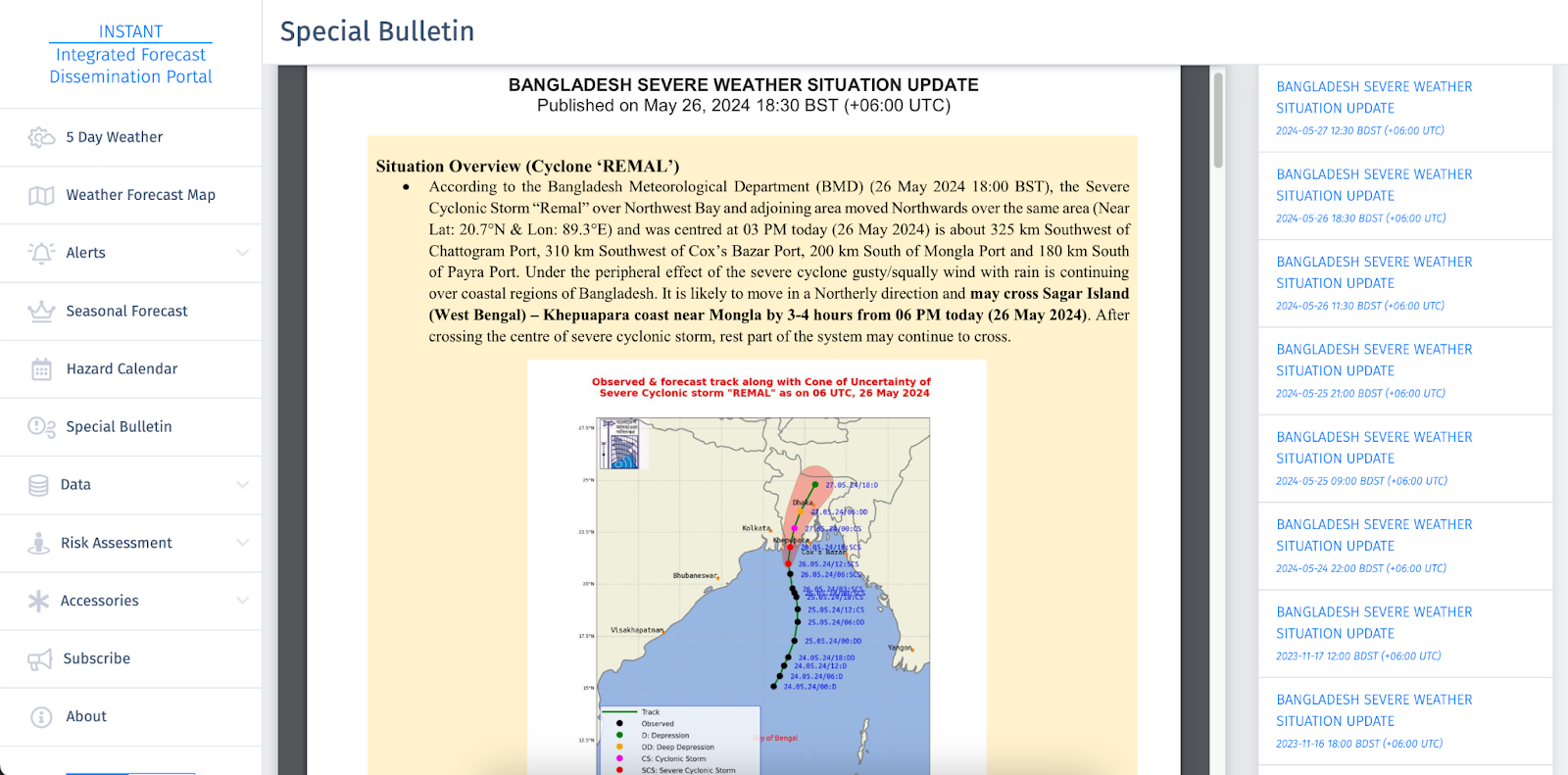
Particular attention was given to sustaining the use of the Integrated Forecast Dissemination Portal (INSTANT), which was previously introduced and integrated into the Melamchi Municipality website to improve access to weather forecasts, multi-hazard warnings, and local risk information. Discussions highlighted the importance of integrating project-supported tools and knowledge into regular municipal disaster preparedness and response processes, ensuring that early warning information continues to reach vulnerable communities in a timely, understandable, and actionable manner. Melamchi Municipality also expressed its interest in continued collaboration and future support for strengthening disaster risk management initiatives.
Reinforcing Local Ownership and Community Resilience
The SLMC Project Handover and Closure Event marked an important milestone in the partnership between RIMES and Melamchi Municipality. Through improvements in early warning information, digital decision-support tools, institutional capacity development, and community preparedness, the project has contributed to strengthening local disaster risk management and last-mile communication.
As the SLMC Project concludes in Nepal, the formal handover of equipment and materials, together with discussions on institutional ownership and sustainability, provides a basis for maintaining and building upon the project’s achievements. The continued commitment of Melamchi Municipality and its stakeholders will be essential to ensuring that the knowledge, systems, and resources developed through the project remain available and useful for future disaster preparedness and response. The experience in Melamchi highlights the importance of sustained collaboration, locally owned early warning systems, and practical capacity development in translating hazard information into timely actions that protect lives, livelihoods, and communities.